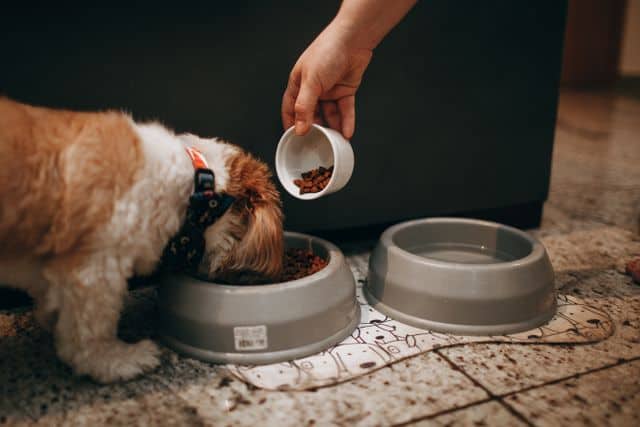
Just like humans, dogs are prone to health issues as they grow older. Incontinence is common. Being unable to hold their urine makes dogs more prone to accidents. Unfortunately, many owners don’t know how to handle this issue, and it’s a reason some choose to give their pets away.
Incontinence isn’t a reason to re-home a beloved furry friend. Instead, owners should seek solutions to improve their dog’s quality of life. Diapers and belly bands are appropriate ways to prevent accidents, but it’s crucial to find belly bands that are comfortable and don’t irritate the dog. Keep reading to learn how to choose the best belly band regardless of the dog’s gender or breed.
What Is Canine Incontinence?
Before talking about solutions, understanding how incontinence affects dogs is crucial. Veterinarians estimate that nearly 20 percent of spayed female dogs are incontinent. The condition is most common in middle-aged and senior adults. While it’s most common in larger breeds, urinary incontinence can affect any dog.
There are many reasons why a dog may become incontinent. Spinal injuries, bladder tumors, and urethral disorders are just a few. Others may be genetically predisposed to it due to anatomic abnormalities. Even a stressful environment or sudden changes in food may be to blame. Regardless of the cause, belly bands provide a great way to control leakage.
What Is a Belly Band?
Incontinent dogs are unable to hold their urine. They may leak small amounts or relieve their entire bladder involuntarily. Unfortunately for pet owners, this often means dealing with large messes and destroyed furniture. That’s why so many owners turn to belly bands. As the name implies, these bands wrap around the dog’s belly and absorb any leaked urine.
Different Solutions for Males and Females
Every pet supply store has a wide selection of diapers made just for dogs. They are most commonly used for menstruating females, but some owners purchase disposable diapers for incontinence. However, diapers aren’t a one-size-fits-all solution. While canine diapers are a good option for female dogs, they don’t fit males well. Belly bands are a better solution for male dogs.
Diapers cover the dog’s entire lower half. This restricts movement, and many pets will rip off the diaper to regain their freedom. Diapers are also not ideal for the male anatomy. Boy dogs are more likely to tolerate belly bands.
Consider the Dog’s Size
When buying belly bands, size really does matter. If the band is too small, it won’t provide adequate protection, and leakage may occur. Likewise, if the band is too big, it may fall off and leave urine droplets behind. That’s why belly bands come in multiple sizes, depending on the dog’s weight and waist size.
Owners should measure their dog before purchasing a belly band. Wrap a tape measure around the dog’s waist and round up to the closest inch. If a dog is between sizes, consider the animal’s weight. Skinnier dogs should size down, and chubbier pets should go up a size.
Account for Movement
Dogs love to move around. They would rather run outside or go for a walk than stay cooped up all day. Even less-active senior dogs need exercise. Movement can pose a problem for an ill-fitting belly band. If it’s too large, the band may slip around or even fall off. On the other hand, a tight band will make it difficult for the dog to move with ease.
Once again, owners can resolve these issues by choosing the correct size. However, some dogs will still break free from their belly bands. That’s why pet owners often use suspenders or straps to keep the band in place.
Select the Right Absorbency
There are different degrees of urinary incontinence. Some pets only leak at night, while others struggle to hold their urine all day. The amount of urine released also varies depending on the issue. One senior dog may only leak a few drops here and there, but another may release a full bladder on the floor. These dogs require belly bands with different absorbency levels.
Depending on the dog’s needs, select a belly band with thick, absorbent padding. Multiple layers will also increase the amount of fluid the band can hold. While silk and polyester may look nice, these fabrics aren’t very absorbent. Instead, look for cotton, flannel, wool, or fleece. An added layer to wick away liquid will also help prevent chafing or rashes.
Always Go with Washable
Convenience should also play a role when selecting the best belly band. However, disposable bands only clog up landfills. Plus, they’re more expensive in the long run than reusable varieties. That’s why most pet owners agree that washable belly bands are the way to go.
Owners can toss washable belly bands into the laundry with their regular loads. They are stain-resistant and often last for years. Further, washable bands are healthier for the pet. Since the owner doesn’t have to worry about buying a new pack, they are more likely to change their dog’s band even if it’s just a little bit wet. Access to a freshly washed, clean band reduces the risk of fungal, bacterial, other skin infections.
Pamper Fido During Every Life Stage
Puppies turn into teenagers, which eventually grow into playful adults. If an owner is lucky, they’ll even get to watch their dog mature into a loving, loyal senior. However, pet owners should also prepare themselves for the unexpected. As a dog ages, the risk for incontinence also increases.
Before running out to invest in new belly bands, make sure to talk to a vet about any changes in your dog’s overall health. While urinary leakage is often just a nuisance, it can point towards more pressing health issues. Addressing any diseases or disorders in the early stages is the best way to enjoy even more years with your furry friend.
The Right Belly Band for Any Dog
Belly bands come in different shapes, sizes, and colors. Owners are sure to find one that best suits their dog’s needs. Taking the time to find the perfect band will ensure the dog can enjoy their senior years both dry and in style.