Anxiety is experienced by many worldwide due to various factors like stress, work, and making decisions, among others. Although it is often overlooked, research reveals that anxiety is a common mental health condition that should be prioritised, especially as over 8 million people have experienced anxiety disorders, which disrupted their lives. Here are some ways anxiety manifests in the body and how you can effectively manage it.
Rapid heartbeat and chest tightness

Rapid heartbeat and chest tightness are usually primary signs of an impending cardiac arrest. However, health experts say that anxiety can manifest in the same way as a result of the reactions that take place in the body, especially in the cardiac region. Your body’s fight or flight response triggers adrenaline and cortisol production in high quantities to get you ready to face a threatening situation. Naturally, these hormones are not created to stay in the body for too long. A prolonged presence puts immense pressure on the heart because other organ functions get limited, accounting for the rapid heartbeat and tightness sensation in the chest area. These symptoms are uncomfortable and upsetting, especially when you’re experiencing them for the first time. Fortunately, you can adopt some healthy mechanisms to reduce the discomfort. Start with deep breathing exercises to slow your heart rate and bring it back to normal. It is also advisable to engage in mindfulness practices that heighten your self-awareness. Relaxation exercises can reduce the discomfort until you feel calm again.
Muscle tension and body aches
The reason anxiety causes heightened muscle tension is due to stress. According to research, anxiety and stress cause the muscles to contract for long periods, leading to significant tension. When unresolved, this could cause pain, and before you know it, you’re dealing with unexplainable muscle discomfort. Health research describes this kind of experience as though your body is in ready mode for a physical punch that never came. However, because the brain reacts to thoughts of fear brought on by anxiety, the muscles bear the brunt of that reaction. The commonly affected areas are the neck, shoulders, and back, where major muscles and nerves are located. However, regular exercise can help you manage this. Physical therapists recommend progressive muscle relaxation techniques to counteract anxiety’s effects on your body.
Sleep disturbances and insomnia
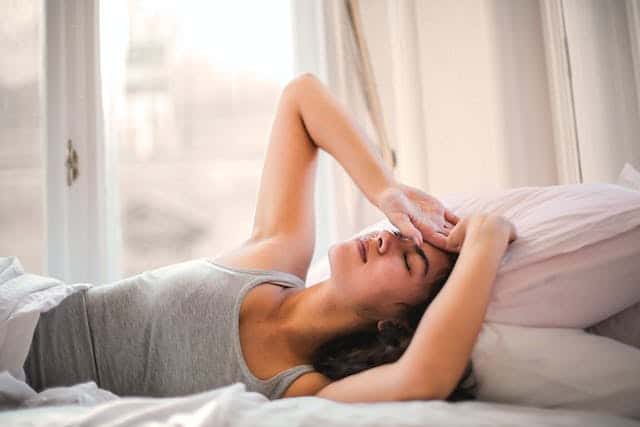
Several wellness blogs and reports state that anxiety is the leading cause of sleep disturbances among adults. It is often the underlying reason for adult insomnia. Unresolved anxiety disrupts your body’s circadian rhythm and throws your sleep and wake patterns off balance. As a result, you will struggle to sleep even in a dark and comfortable room. That is because, although melatonin is a critical hormone responsible for promoting sleep in a dim-lit or dark room, with anxiety present, this hormone will fail to play its primary role. This stage requires a multipronged approach to resolve your sleeping challenges. Start by establishing a consistent sleeping routine that promotes calmness. It helps to engage in some physical exercise to trigger dopamine production – the feel-good hormone. That can diffuse some anxiety and help resolve sleep interruptions. You can also invest in a quality sleep mask to limit excessive light that may be hindering you from enjoying a good night’s sleep.
Digestive issues
A greater percentage of your body’s immune system is located in the gut and can be significantly affected when you’re dealing with anxiety. That can lead to digestive issues like nausea, diarrhoea, and stomach cramps. Another report also states that the gut-brain axis – a connection between the gut and the brain is responsible for digestive issues when people experience anxiety. The only way to manage the discomfort is to deal with the underlying issue first. Physicians also recommend staying away from trigger foods that can worsen stomach cramps.
Meanwhile, a balanced and nutritious diet rich in whole grains can calm the digestive tract. This step is vital because although research has shown that people with anxiety may lose their appetite, others rather experience emotional eating, which is an unhealthy habit of consuming meals without being mindful. Consider mindful eating to decrease the risks of triggering any digestive issues you may be experiencing. It all starts with taking little steps like concentrating on what you’re eating so you’re more aware and reduce the likelihood of overeating.
Shortness of breath and hyperventilation
Have you ever felt out of breath and hyperventilating when you feel threatened by something or running out of breath after an intense physical activity? These situations put immense pressure on your respiratory system, and naturally, your body goes into overdrive to increase oxygen inhalation. Anxiety does something similar to your respiratory system, making you uncomfortable and feeling out of control. You can overcome hyperventilation and shortness of breath by adopting crucial breathing exercises. The first is diaphragmatic breathing to manage hyperventilation symptoms. The objective is to focus on slow, controlled breaths to normalise your breathing patterns. Breathing is an unconscious and automatic process, just like your heartbeat. However, by steadying it and taking deep and controlled breaths, you force the body to reset to its normal functions. It takes a lot of practice to get diaphragmatic breathing right. Fortunately, you can ace it by mastering the basic steps.
Dizziness and lightheadedness

The change in blood flow, pressure, circulatory patterns, and declined oxygen levels can trigger dizziness when anxiety hits. Usually, lightheadedness and dizziness are triggered by a series of physiological events you have no control over. The only thing you can do in such moments is to find a safe level ground to sit or lie down. Experts also recommend grounding techniques, which involve focusing on the present moment. It is an approved technique that forces you to focus on your immediate surroundings as a distraction from anxious feelings. As an extra tip, remember to stay hydrated and limit caffeine intake for this to work.
Dealing with anxiety can be challenging. However, identifying the physical symptoms can help you identify when your anxiety levels are high, making it easier to manage how you feel. As a result, you take better control of your mental health and be more prepared when these symptoms arise, contributing to your overall well-being.
Collaborative post