Starting to wear glasses for the first time can feel like a big adjustment. Whether you’ve been prescribed glasses for reading, driving, or full-time wear, adapting to your new eyewear is not only about vision correction; it’s also about embracing a new part of your personal style and daily routine. Here are some helpful tips to make the transition smoother and even enjoyable.
Give Yourself Time to Adjust
Wearing glasses can feel strange at first. Some new wearers experience slight headaches or dizziness as their eyes adapt to the lenses. This is completely normal and usually subsides after a few days. Try to wear your glasses consistently, especially in the situations your optometrist has recommended. The more regularly you wear them, the quicker your eyes and brain will adjust.
Keep Your Glasses Clean
Smudged lenses can be incredibly frustrating and can actually interfere with your vision. Make it a habit to clean your glasses daily using a microfibre cloth and lens cleaning solution. Avoid using tissues or your clothing, as these can scratch the lenses over time. Keeping them clean not only helps your vision but also keeps your glasses looking their best.
Find a Frame That Suits You
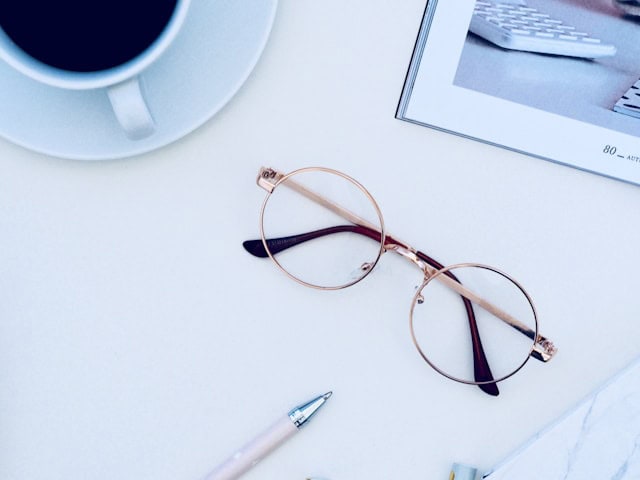
Your glasses should reflect your personality and style. With so many options available today, from classic to trendy, you’re sure to find frames that feel like you. Try on different styles to see what suits your face shape and colouring. Don’t be afraid to go bold; glasses can be a fantastic fashion statement as well as a practical necessity.
Wear Them with Confidence
If you’re feeling self-conscious, remember that glasses are incredibly common and even fashionable. Many people choose to wear glasses with non-prescription lenses simply for the aesthetic. Walk tall, maintain eye contact, and smile. The more confident you are, the more natural your glasses will feel as a part of your identity.
Keep a Spare Pair Handy
Especially if you’re prone to misplacing things, having a second pair of glasses can be a lifesaver. This is particularly true for those who need them for essential daily tasks like driving or reading. Consider having a backup pair in your handbag, car, or office just in case.
Use Glasses for the Right Tasks
Depending on your prescription, you may not need to wear your glasses all the time. If you’ve been prescribed glasses for reading or close-up work, make sure you’re only using them when needed. For example, reading spectacles can help reduce eye strain and improve comfort when working with books, screens, or other close-range tasks.
Check in With Your Optician
Your eyes can change over time, and so can your needs. It’s wise to have regular check-ups to ensure your prescription is still accurate. If your glasses feel off, uncomfortable, or your vision seems to be worsening, don’t wait; book an appointment to have things reassessed.
Final Thoughts
Becoming a glasses wearer is a positive change; you’re taking care of your eye health and stepping into a world of clearer vision. With the right mindset, some practical adjustments, and a dash of personal flair, your new glasses can quickly become one of your favourite accessories.