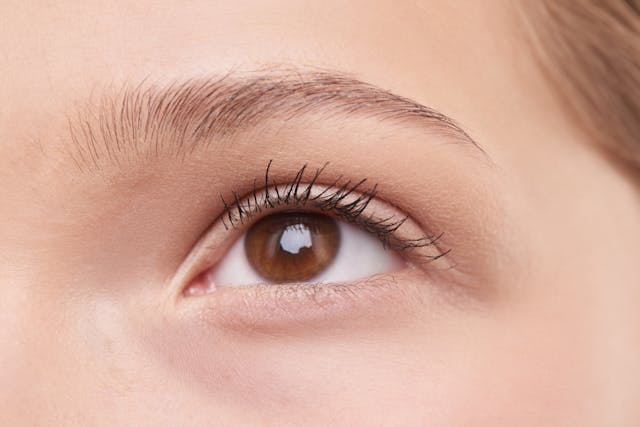
Your brows can thin in your 30s due to overplucking, stress, hormone shifts, or low iron and protein levels. You may notice patchy spots or slower regrowth than you had in your teens. This change feels frustrating, but you can take clear steps to support new growth.
You can naturally regrow sparse brows in your 30s by supporting healthy hair follicles through proper nutrition, gentle care, and targeted natural treatments like oils and proven topical options. However, you need patience and the right habits, since brows grow in cycles and take time to fill in.
You will learn which daily habits protect your follicles, which natural remedies may help reduce breakage, and how to avoid common mistakes that lead to thinner brows. In addition, you will see how long-term strategies support fuller, stronger brows over time.
Essential Steps to Naturally Regrow Sparse Brows in Your 30s
Sparse brows in your 30s often trace back to hormones, diet, and daily habits. You can support regrowth by finding the cause, feeding your body the right nutrients, and improving blood flow to hair follicles.
Identifying Causes of Brow Thinning
You need to know why your brows look thin before you try to fix them. In your 30s, hormone shifts, stress, thyroid issues, and years of over-plucking often play a role.
Hormone changes after pregnancy or during perimenopause can slow hair growth. High stress levels can also push hairs into a resting phase, which leads to more shedding. If you notice hair loss on your scalp, too, speak with a doctor to rule out medical causes.
Grooming habits matter as well. Frequent waxing, threading, or harsh makeup removal can weaken follicles over time.
If your brows look sparse but follicles still exist, a topical product may help support regrowth. A hormone-free brow serum can support hair health without adding hormone-based ingredients to your routine, which makes it a practical choice if you prefer a simple formula.
Optimizing Nutrition for Healthy Brows
Your brows depend on steady nutrients to grow. If your diet lacks key vitamins and minerals, hair may grow more slowly or appear thinner.
Focus on protein first. Hair consists mostly of keratin, a protein, so include eggs, beans, fish, or lean meat in your meals. In addition, iron supports healthy blood flow to follicles. Low iron levels are often linked to hair loss, especially in women.
Biotin, zinc, and vitamins A, C, and E also play a role. Nuts, seeds, leafy greens, sweet potatoes, and citrus fruits provide these nutrients in simple forms.
Stay consistent with meals. Extreme dieting can shock your system and reduce hair growth. Drink enough water as well, since dry skin around the brows can affect hair strength.
Incorporating Gentle Brow Massage Techniques
Massage can help stimulate blood flow to the brow area. Better circulation delivers oxygen and nutrients to the follicles.
Use clean fingertips and apply light pressure. Move in small circular motions across each brow for one to two minutes. Do this once a day.
You can apply a small amount of castor oil, coconut oil, or aloe vera before a massage if your skin tolerates it. These natural options may help condition the hair and reduce breakage.
Avoid rough rubbing or pulling. Gentle and steady pressure works best. With regular care, you give your brows a better chance to grow thicker over time.
Daily Practices and Long-Term Strategies for Fuller Brows
Fuller brows require steady care, not quick fixes. You need consistent use of growth products, gentle grooming habits, and skincare that protects hair follicles.
Applying Natural Brow Serums Consistently
Natural brow serums can support hair growth over time, but you must use them every day. Most formulas contain peptides, biotin, or panthenol, which help strengthen weak hairs and support the hair cycle.
Apply serum to clean, dry skin along the brow line once or twice a day. Use a small amount and focus on sparse areas. Do not layer heavy creams on top right away, since they can block absorption.
You should expect slow progress. Brow hairs grow in cycles, and most people need at least 8 to 12 weeks to see a visible change. Therefore, track progress with monthly photos instead of daily checks.
In addition, stop use if you notice redness or itching. Simple, steady use works better than switching products often.
Minimizing Over-Plucking and Harsh Treatments
Over-plucking remains one of the main causes of sparse brows in your 30s. Each time you pull a hair, you stress the follicle. Repeated stress can weaken regrowth.
Set clear rules for grooming. Only remove obvious stray hairs outside your natural brow shape. Avoid tweezing fine hairs within the main body of your brows, even if they look uneven.
In addition, skip waxing or threading if your skin feels sensitive. These methods remove multiple hairs at once and can irritate the follicle area. Instead, trim long hair with small scissors if needed.
Give your brows at least three to four months of rest if they look thin. This break allows weaker follicles time to recover and produce stronger hairs.
Establishing a Brow-Friendly Skincare Routine
Your brow area needs gentle care just like your scalp. Harsh exfoliants, strong retinoids, and heavy friction can disrupt hair growth.
Apply exfoliating acids and retinoids carefully around your brows. Use a cotton swab to keep strong products off the brow hairs and roots. As a result, you lower the risk of dryness and breakage.
In addition, moisturize the brow area with a light, non-comedogenic product. Hydrated skin supports healthy follicles. Massage the area for about 30 seconds with light pressure to increase blood flow.
Finally, support growth from within. Eat enough protein, iron, zinc, and healthy fats. Your hair depends on these nutrients, and low levels can slow regrowth.
Conclusion
Sparse brows in your 30s often link to hormones, stress, diet, and past overplucked brows. You can support regrowth with balanced meals rich in protein and iron, gentle care, and simple oils such as castor or coconut oil.
Stay patient and stick to a steady routine, since hair cycles take time to shift. If you see no change after several months or notice a sudden loss, speak with a healthcare professional to rule out medical causes.