Moving grandparents into a care home can be a challenging and emotional experience for the whole family. Including children in this process can help them understand the situation better, feel more secure and even contribute positively to the transition. Here’s how you can involve children in a sensitive and constructive manner.
Prepare Them Early
Children need time to process change, especially when it involves beloved family members. Start by discussing the move well in advance. Use simple, age-appropriate language to explain why the move is necessary. For example, you might say, “Grandma needs more help than we can give at home, and the care home has people who can take care of her all the time.”
Encourage Questions
Allow children to ask questions and express their feelings. They might be worried about what will happen to their grandparent or how often they will see them. Address their concerns honestly, providing reassurance and support. If you don’t know the answers to some questions, it’s okay to say so and suggest finding out together.
Visit the Care Home Together
Take the children to visit the care home before the move. Visiting the care homes in Farnham Common, if that’s where grandparents are going, helps demystify the new environment and can alleviate fears. Let them see the facilities, meet the staff and even participate in any activities that might be happening. Familiarity with the place can make the transition smoother for both the children and the grandparents.
Involve Them in the Moving Process
Children can play a meaningful role in the move itself. Give them tasks appropriate for their age, such as packing items, decorating the new room or choosing personal belongings to bring. This involvement gives them a sense of control and responsibility, making them feel valued and included.
Share Stories and Memories
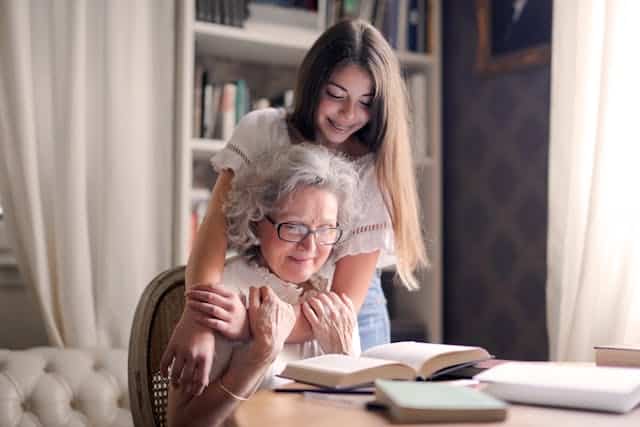
Spend time with children and grandparents together, sharing stories and memories. This can be done through photo albums, videos or storytelling sessions. These moments reinforce family bonds and provide comfort to both the children and the elderly, making the move feel less like a separation and more like a continuation of family life.
Maintain Routine and Contact
After the move, establish a routine for visiting or calling the grandparents. Predictability helps children feel secure. You can schedule regular visits or video calls or send letters and drawings. This consistent contact reassures children that their relationship with their grandparents remains strong.
Promote Emotional Expression
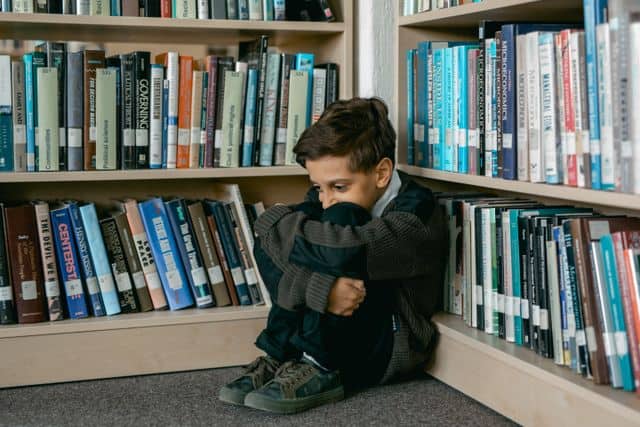
Encourage children to express their emotions about the move. They might feel sadness, confusion or even anger. Create a supportive environment where they can talk about their feelings openly. Art, writing or play can be effective outlets for younger children to express themselves.
Highlight the Positives
Focus on the positive aspects of the care home, such as new friends for the grandparents, fun activities and better healthcare. Highlighting these benefits helps children see the move in a more positive light. You can also celebrate milestones, like the grandparent’s adaptation to the new environment, to reinforce positivity.
Educate Them About Ageing
Use this opportunity to educate children about ageing and the different needs that come with it. Understanding that needing extra help is a natural part of getting older can help them accept the move more easily. Tailor the information to their developmental level to ensure they can grasp the concepts.
Seek Professional Support If Needed
If children are particularly distressed, consider seeking support from a counsellor or therapist. Professionals can provide coping strategies and a safe space for children to navigate their feelings.