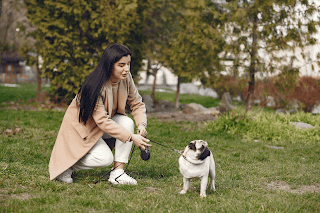
Summer changes how dog waste behaves outdoors. Heat speeds up decomposition, concentrates odors, and creates conditions that attract flies and other insects. Dog owners who manage waste routinely during cooler months often find the same routines fall short when temperatures rise. A few adjustments in timing, tools, and disposal habits make a noticeable difference throughout the warmer months.
Why Is Dog Waste Harder to Manage in Summer?
Warm temperatures accelerate every process involved in waste breakdown. Bacteria multiply faster, gases release more quickly, and the result is a much stronger odor in a shorter amount of time. In summer, a single pile left in the yard for a few hours can produce the same smell that might take a full day in cooler weather.
Managing odor in the heat starts with choosing the right containment tool. Brands like Pet Genie offer a dedicated outdoor dog poop trash can designed to lock in waste and odor even in high temperatures, so the smell stays contained between pickups rather than spreading across the yard.
How Does Heat Affect Dog Waste Odor?
Heat acts as a catalyst for bacterial activity inside dog feces. As bacteria break down organic matter, they release sulfur compounds and ammonia, which are the primary drivers of that sharp, unpleasant smell. Higher ambient temperatures accelerate this release, making the odor more intense and harder to control without the right containment method.
Humidity compounds the problem. In hot, humid conditions, odor molecules stay closer to the ground rather than dispersing into the air. This creates a concentrated smell that spreads across outdoor spaces and can linger near patios, play areas, and entryways.
What Health Risks Come With Leaving Dog Poop in the Yard?
Dog feces carries bacteria, parasites, and pathogens that pose real health risks to people and other animals. Common concerns include roundworms, hookworms, and certain strains of E. coli, all of which can survive in soil for weeks or months. Children who play in the yard and dogs who sniff or eat grass are particularly vulnerable.
In summer, the risk intensifies. Flies are active in warm weather and use dog waste as a breeding ground. They then land on food surfaces, pet bowls, and outdoor furniture, creating a transfer pathway for the pathogens they carry. Prompt removal significantly reduces this exposure.
What Are the Best Ways to Pick Up Dog Poop Outdoors?
Picking up waste quickly and consistently is the most effective line of defense against summer odors and health risks. The method matters less than the habit, but choosing the right tools makes the task easier to maintain even in hot weather.
Biodegradable Bags vs. Standard Bags: Which Should You Use?
Both bag types work for pickup, but they behave differently once the waste is bagged. Standard plastic bags keep waste sealed and odor-contained for longer, which is useful if disposal is not immediate. Biodegradable bags begin breaking down faster, especially in heat, which means they may compromise their integrity if left in a bin for more than a day or 2.
For summer, the most practical choice depends on your disposal setup. If you’re placing bags directly into an outdoor bin that gets emptied regularly, biodegradable bags are a reasonable option. If waste sits longer before disposal, standard bags with a sealed containment system offer better odor control.
How Often Should You Clean Up the Yard in Summer?
In summer, once a day is the minimum. Twice daily is better for households with multiple dogs or large breeds, since waste volume and odor accumulate faster in the heat. A consistent pickup schedule also keeps flies from establishing a breeding cycle in the yard.
The best times to clean up are in the early morning and late evening, when temperatures are lower and the task is more manageable. Midday pickups in full sun expose you to both the heat and the most concentrated odors.
Where Should You Dispose of Dog Waste in Hot Weather?
Disposal method affects how much odor escapes into the outdoor environment. Tossing bags into a regular household trash can is the most common approach, but it’s also the least effective for odor control during summer months. Dedicated containment options reduce the impact significantly.
Can You Flush Dog Poop Down the Toilet?
Flushing is approved by some waste management authorities as a safe disposal method. Dog feces, unlike cat feces, does not contain Toxoplasma gondii, which means it’s generally safe for standard municipal sewage systems. That said, bags must never be flushed since even “flushable” bags can cause plumbing issues.
This method works best if you pick up waste immediately and have easy access to an indoor bathroom. In practice, it’s not a realistic daily solution for most households, particularly those with large dogs or multiple animals.
Is Composting Dog Waste a Safe Option?
Composting dog waste is possible but requires specific conditions to be safe. Standard backyard composting does not reach the temperatures needed to kill the pathogens found in dog feces. Purpose-built dog waste composters use an in-ground digester system and an enzyme activator to break down waste safely without creating a health risk.
The compost produced from these systems should not be used on vegetable gardens. It’s suitable for non-edible plants and ornamental landscaping. This is a low-odor option worth considering for dog owners committed to reducing their environmental footprint.
How to Choose the Right Outdoor Dog Waste Bin
An outdoor dog waste bin should meet 3 core criteria: odor containment, weather resistance, and easy access. Bins with a foot pedal or hands-free lid are more convenient for daily use, especially with bags in hand. A tight-fitting lid is essential in summer to prevent odor from escaping and to keep flies out.
Capacity matters for multi-dog households. A bin that fills up within 2 days creates a situation where overflow or premature odor release becomes a problem. Look for a dedicated dog waste disposal system rather than a repurposed general trash can, since these are designed to handle the specific containment challenges that dog waste presents.
How to Keep Your Yard Odor-Free All Summer Long
Odor control in summer is an active process, not a passive one. Pickup frequency, containment quality, and targeted deodorizing all work together to keep outdoor spaces comfortable.
What Neutralizes Dog Waste Smell Outdoors?
Enzymatic cleaners are the most effective option for breaking down the organic compounds responsible for dog waste odor. These products use biological enzymes that target the specific molecules in feces and urine, rather than simply masking the smell with a fragrance. They work on grass, soil, concrete, and wood surfaces.
White vinegar diluted with water is a lower-cost alternative for surface deodorizing. It neutralizes alkaline odor compounds and evaporates quickly without leaving a residue. Apply it to the area after cleanup, not as a substitute for cleanup.
Are Yard Deodorizers Safe for Dogs?
Not all deodorizing products are pet-safe. Citrus-based sprays and certain essential oils can irritate a dog’s skin or respiratory tract. Before using any outdoor deodorizer, check that the formulation is non-toxic to dogs once dried.
The safest approach is to choose enzyme-based products specifically labeled as pet-safe, or to use diluted white vinegar as a natural alternative. Avoid granular deodorizers in areas where dogs tend to sniff or dig, since some contain compounds that can cause digestive issues if ingested.
What Most Dog Owners Get Wrong About Summer Waste Management
The most common mistake is treating summer waste management the same as the rest of the year. Pickup schedules that work in spring and fall are often too infrequent for summer conditions. Odor escalates faster, flies appear sooner, and standard trash cans struggle to contain the smell in high temperatures.
A second common error is relying on a regular garbage bin as the primary waste receptacle. General-purpose bins are not designed for odor containment at the level that dog waste requires, particularly in the heat. Upgrading to a dedicated outdoor dog waste disposal system eliminates most of the seasonal odor problems dog owners deal with during summer.
Timing matters too. Waste left in the yard overnight during summer provides ideal conditions for fly breeding. A quick evening sweep before dark reduces that risk significantly.
Frequently Asked Questions About Dog Waste in Summer
Is It Safe to Leave Dog Poop in the Yard Overnight During Summer?
Leaving dog poop overnight in summer creates conditions that encourage fly activity and accelerate bacterial growth. While a single overnight instance is unlikely to cause immediate harm, consistent overnight buildup poses real hygiene and pest risks. An evening pickup routine eliminates the problem at its source.
How Many Times a Day Should You Pick Up Dog Waste?
For a single dog, once daily is the minimum in summer. For 2 or more dogs, or for large breeds, twice daily is more appropriate. The goal is to prevent waste from sitting long enough for fly activity to begin, which can happen within a few hours in hot weather.
Does Heat Make Dog Feces More Dangerous to Handle?
Heat accelerates bacterial growth in dog feces but does not fundamentally change the type of pathogens present. The practical risk during handling remains consistent year-round. The larger concern in summer is indirect exposure through flies or contact with contaminated soil. Gloves and a dedicated waste tool reduce direct contact risk regardless of season.
What Happens if You Don’t Pick Up Dog Poop in Summer?
Uncollected dog waste attracts flies, produces strong odors, and creates a pathway for pathogens to enter the soil and water table through rain runoff. Over several days, it becomes harder to pick up and more likely to spread across the lawn through foot traffic or mowing. Consistent daily removal is the simplest way to avoid these compounding problems.