Moving to a new home far away can feel exciting, weird, messy, and a little bit like juggling socks in a windstorm. You’re not just packing boxes. You’re shifting your whole routine. Leaving Nashville adds its own layer to that, since you’re untangling years of familiar routes, favorite spots, and people you’ll now see far less often.
Getting the logistics sorted early frees you up to handle that part properly. The good news is that a long-distance move gets much easier when you break it into small, doable steps. If you plan ahead, stay realistic, and leave room for a few surprises, you can make the whole thing feel less like chaos and more like a fresh start.
Start with the big stuff
When you know a move is coming, try not to begin with tape guns and cardboard. Start with the big decisions first. Pick your moving date, set a rough budget, and decide how much help you’ll need. If you wait too long, the best moving dates can disappear fast.
For a smoother experience, get in touch with long distance movers in Nashville to ensure the moving process is hassle-free. With professionals in the picture, you won’t have to worry about the bigger stuff; just focus on what you can manage.
Prepare a simple timeline
A long-distance move feels huge when you stare at it all at once. It feels much more manageable when you turn it into a basic timeline. You don’t need a fancy color-coded chart unless that makes you happy. A simple weekly list works just fine.
Start with your move-out date and count backward. In the final month, make note of key jobs like giving notice, transferring school records, scheduling utility shutoffs, and updating your address. Spread tasks out so you’re not trying to do everything in one wild weekend.
A good timeline also leaves room for normal life. You still need to cook dinner, answer emails, and maybe find that one missing shoe. Try giving yourself one or two moving tasks per day instead of ten. Slow and steady may not sound glamorous, but it beats the classic moving strategy of panic and pizza crusts.
Declutter before you pack
One of the easiest ways to make moving simpler is to bring less stuff. That sounds obvious, yet many people pack things they haven’t used in years. If it’s broken, forgotten, or living at the back of a cupboard like a tiny mystery, this is your chance to let it go.
Go room by room and sort items into four groups: keep, donate, sell, and toss. Be honest with yourself. If you haven’t worn that sweater since three hairstyles ago, it may not need a ticket to your new home.
Decluttering helps in a few ways. You use fewer boxes, spend less time packing, and often pay less when moving. It also makes unpacking easier because you’re not opening boxes full of random kitchen gadgets and old paperwork.
If your family struggles with clutter, keep sessions short. Twenty focused minutes can do more than three dramatic hours of stress-cleaning. Small wins count.
Pack for real life
Packing looks simple until you’re wrapping mugs with yesterday’s grocery receipt and wondering where your phone charger went. The trick is to pack for real life, not for some perfect internet version of moving.
Work room by room so things stay organized. Label each box with the room name and a quick note about what’s inside. “Bedroom” is helpful. “Bedroom – lamps and bedding” is better. Your tired future self will thank you at 9 p.m.
Use towels, blankets, and clothes to cushion fragile items when you can. It saves money and cuts waste. Keep important papers, medications, chargers, toiletries, and a change of clothes in one essentials box or bag that stays with you.
Think about your first night in the new place. You probably won’t want to rip through twelve boxes looking for toothpaste or pajamas. Pack like you’re helping a sleepy version of yourself. That person deserves kindness.
Get kids and pets ready
Moving affects everyone in the house, including the tiny humans and furry ones. Kids may feel excited one minute and upset the next. Pets often just know that their people are acting strange and the furniture is disappearing.
Talk to children early in a calm, honest way. Let them ask questions. Show them pictures of the new area if you can. If possible, keep a few routines steady, like bedtime or movie night, so the move doesn’t feel like every part of life is changing at once.
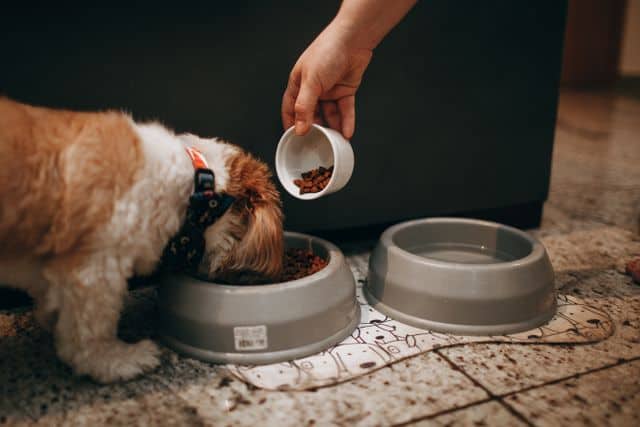
For pets, keep carriers, food, leashes, and comfort items easy to reach. If your dog hates noise or your cat acts like a suspicious little landlord, set up a quiet room on moving day.
Favorite toys, blankets, and snacks can help both kids and pets feel secure. You can’t remove every wobble from the process, but familiar items make the journey feel softer.
Prepare for moving day
The day before the move is not the time for heroic organizing. It’s the time to keep things simple. Charge your phone, gather paperwork, confirm details, and set aside what you’ll need right away.
Try to have these basics easy to grab:
– water and snacks
– phone chargers
– keys and ID
– moving paperwork
– cleaning wipes or paper towels
– a basic tool kit
On moving morning, do a final walkthrough of every room, closet, and cabinet. Open the fridge, check the garage, and peek behind doors. It’s amazing what gets left behind in the chaos.
Also, expect a few hiccups. Traffic issues. Someone gets tired. A box may go missing for ten dramatic minutes and then appear in plain sight. Staying flexible helps more than trying to control every second. Aim for steady, not perfect.
Settle in without rushing
Once you arrive, it’s tempting to unpack everything in one burst of determination. Try not to. Start with the rooms you need most, like the bathroom, kitchen, and bedrooms. Getting the basics in place makes the whole house feel livable faster.
Focus first on comfort, not perfection. Make the beds. Plug in a lamp. Put out towels. Find the coffee maker if that’s your household peace treaty. A home starts feeling real through small touches, not through having every shelf styled.
When you have a little energy, step outside and learn your new area. Take a short walk, find the nearest grocery store, and notice what’s around you. Meeting neighbors can wait if you’re exhausted, but even a quick hello helps the place feel less unfamiliar.
Give yourself some grace in the first week. You’re not behind if every box isn’t unpacked. A long-distance move is a big deal. If your socks are in the wrong drawer for a few days, the world will keep spinning.