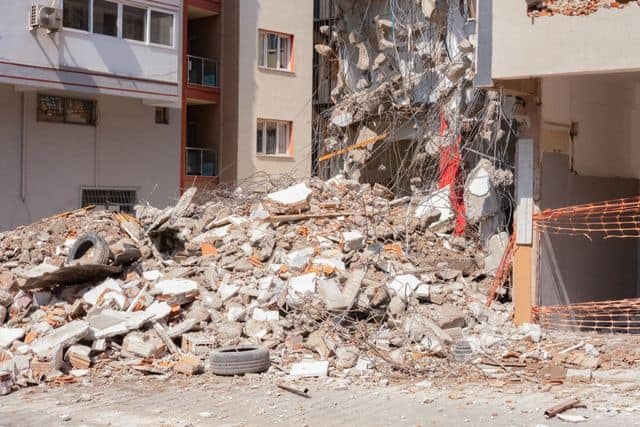
When something goes wrong at home, it rarely sends a polite calendar invite first. A burst pipe, kitchen fire, mold outbreak, or storm damage can turn your normal routine upside down in minutes. If you’ve got kids, pets, work, and bills all moving at once, the chaos gets louder fast. Knowing what to do next can help you protect your space, your money, and your sanity when your house starts acting like a drama magnet.
Start with safety before you even think about cleanup
Your first job is not saving the rug or rescuing the coffee maker. It’s making sure you and everyone in the house are safe. If there’s fire damage, electrical risk, gas smell, standing water near outlets, or structural damage, get out and stay out until professionals say it’s safe.
A lot of people lose time trying to “just quickly check” the damage. That urge is understandable, but it can go sideways fast. Wet drywall can collapse. Smoke residue can irritate your lungs. Floodwater can carry sewage and chemicals.
Keep a short emergency checklist in your phone with:
– Emergency contacts
– Insurance policy numbers
– Medication list
– Pet care details
– A few nearby places you could stay
That prep work feels boring right up until it feels brilliant.
Know which messes you can handle and which ones need pros
Not every household emergency needs a full restoration crew, but some absolutely do. A tipped washing machine with a small puddle is one thing. Black water from a backed-up sewer line is a very different beast. Mold that spreads behind walls also stops being a DIY project pretty quickly.
You’ll often need professional help for:
– Sewage backups
– Fire and smoke damage
– Flooding that soaked flooring or walls
– Mold growth larger than a small surface patch
– Damage involving electrical systems
– Structural issues like sagging ceilings
If you’re dealing with major water, fire, or storm impacts, getting expert disaster cleanup can help prevent secondary damage like mold, warped framing, and lingering odor. Fast response matters more than most people realize.
Document everything like your insurance company will ask twice
Once everyone is safe, start documenting the damage before major items get moved. Take clear photos and video from multiple angles. Open cabinets, closets, and storage areas. Get close shots and wide shots. If something is ruined, record brand names, model numbers, and rough replacement values when possible.
Insurance claims often move better when your records are organized. Create a simple folder on your phone or laptop with labeled sections for each room. Save receipts for hotel stays, meals, emergency supplies, and temporary repairs.
If you toss damaged items too quickly, you may lose proof of loss. Ask your insurer what to keep and what can go. A soggy mattress is gross, yes, but it may still be evidence. Disaster admin isn’t glamorous, though it does beat arguing over a blurry photo of a ceiling stain later.
Move fast on water damage because the clock is not your friend
Water damage gets more expensive by the hour. Within a short window, water can seep into subflooring, insulation, baseboards, furniture, and wall cavities. That’s when a “small leak” starts auditioning for a much bigger role.
If it’s safe, shut off the water source immediately. Remove what you can from the wet area, especially paper items, fabrics, electronics, and lightweight furniture. Open windows if weather allows, and use fans only if there’s no electrical hazard.
Still, home fans and open windows have limits. Deep moisture hidden under floors or behind drywall often needs industrial drying equipment and moisture testing. You can’t fix what you can’t see, and trapped moisture is sneaky. It waits quietly, then introduces itself later as mildew smell, bubbling paint, or surprise mold.
Smoke, soot, and odor need more than a wipe-down
After a fire, even a small one, the visible damage is only part of the story. Smoke can spread through vents, settle into fabrics, and leave acidic residue on surfaces. Soot can stain walls, corrode metal, and keep reminding you that your toaster had a villain arc.
A common mistake is scrubbing soot with the wrong cleaner. That can smear it deeper into paint and upholstery. Smoke odor also doesn’t disappear just because you opened the windows for a day.
What helps most:
– Ventilation, if the property is safe
– Proper residue-specific cleaning products
– HVAC inspection and filter replacement
– Removal of unsalvageable porous materials
– Professional deodorizing when odor lingers
If smoke reached multiple rooms, a surface clean alone usually won’t cut it. Odor molecules settle into more places than people expect.
Don’t ignore the emotional side of home disasters
A damaged home affects more than your walls and furniture. It can mess with sleep, concentration, mood, and family routines. Kids may get anxious. Adults may feel pressure to make every decision instantly and perfectly. Nobody does their best thinking while stepping around dehumidifiers and insurance paperwork.
Give yourself some structure. Make a daily list with just three priorities. Rotate responsibility if you live with a partner or family member. Let one person handle calls while another handles photos, laundry, or school logistics.
It also helps to explain the situation to kids in direct, calm language. They don’t need every detail, but they do need predictability. Tell them what changes now, what stays the same, and what happens next. Stability can come from small routines, even if dinner is takeout and everyone’s socks are missing.
Build a recovery plan that works in the real world
Once the immediate emergency settles, focus on recovery in practical stages. Think triage, not perfection. You’re trying to get the house functional, safe, and financially manageable before worrying about every cosmetic detail.
A useful recovery plan includes:
– Temporary housing if needed
– Insurance claim deadlines
– Contractor estimates and timelines
– A list of must-replace items
– A record of out-of-pocket spending
– Photos of progress after cleanup begins
Ask contractors clear questions about drying time, contamination risks, material removal, and whether permits are required. If someone promises an instant fix for extensive damage, raise an eyebrow. Good restoration work takes coordination, not magic.
The bigger lesson is simple: fast action beats panic, and organized action beats guesswork. Home disasters are disruptive, expensive, and exhausting, but they don’t have to own the whole story. When you protect safety first, document carefully, get the right help, and pace the recovery, you give yourself a much better shot at getting life back to normal without extra damage tagging along.