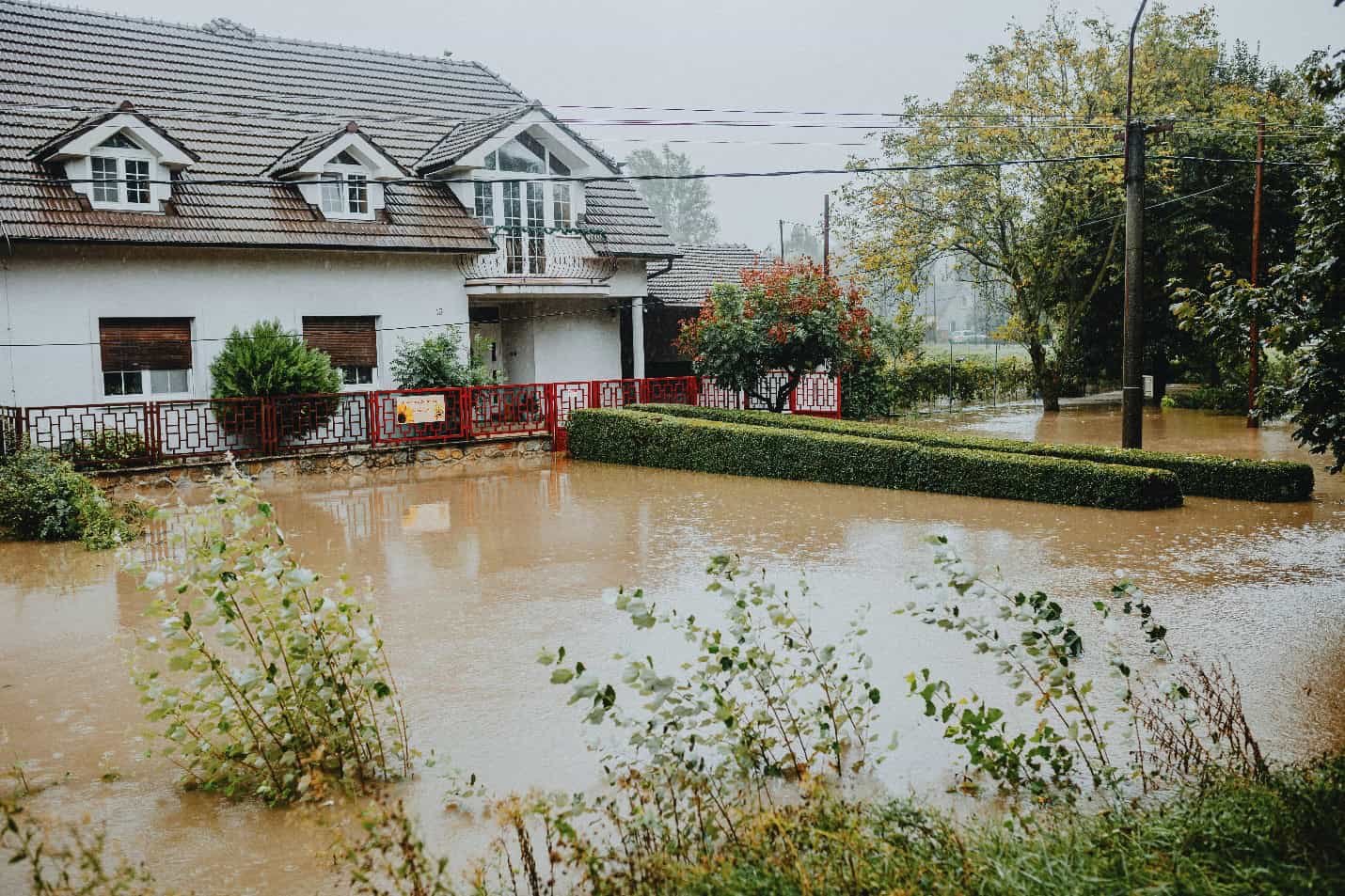
Weather can be unpredictable, and throughout the year, your home is exposed to various elements, such as heavy rain, strong winds, snow, and extreme heat. Without proper precautions, these conditions can lead to costly damage, from leaks and cracks to structural wear and tear. Taking proactive steps to protect your home ensures that it remains safe, comfortable, and energy-efficient, no matter the season.
Every part of your home, from the exterior walls to the foundation, plays a role in shielding against harsh weather. Regular maintenance, timely repairs, and strategic upgrades can help prevent common issues like water infiltration, insulation problems, and storm damage. By staying ahead of potential risks, homeowners can avoid expensive repairs and maintain their property’s value.
In this guide, we’ll explore essential ways to weatherproof your home, covering everything from reinforcing key structural elements to preparing for extreme conditions. One of the most important aspects of weather protection is ensuring that your home’s exterior is strong and well-maintained. Let’s start by looking at how a well-maintained roof can help safeguard your home against the elements.
The Role of a Roofing Contractor in Weatherproofing Your Home
A well-maintained roof is crucial in protecting your home from leaks, insulation issues, and structural damage. Over time, exposure to extreme weather can cause shingles to crack, flashing to loosen, and gutters to clog, leading to water damage and potential mold growth inside your home.
If your roof shows signs of deterioration, working with a roofing contractor can help you address minor issues before they become costly repairs. Professional roofing services include inspections, repairs, and full replacements, ensuring that your roof remains sturdy and weather-resistant. Contractors can also recommend the best materials for your specific climate, such as asphalt shingles for durability or metal roofing for enhanced storm protection.
A professional roofer can also improve attic ventilation and insulation, which helps prevent ice dams in the winter and reduces heat buildup during the summer. It not only protects your roof from damage but also enhances your home’s energy efficiency. Regular roof maintenance and timely repairs can extend the lifespan of your roofing system and keep your home safe from year-round weather challenges.
Protecting Windows and Doors from Extreme Weather
Windows and doors are common weak points in homes, allowing drafts, water, and high winds to enter if they aren’t properly sealed. Taking steps to reinforce them can prevent weather damage and improve energy efficiency.
Start by inspecting the seals around your windows and doors. If you notice gaps, apply weatherstripping or caulking to block drafts and moisture. For homes in areas prone to hurricanes or strong storms, installing storm-resistant windows or protective shutters can provide an extra layer of defense.
Additionally, replacing old, weak doors with reinforced options improves both security and insulation. A solid-core or steel door with proper weatherproofing can help maintain a comfortable indoor temperature while preventing air leaks. Keeping your windows and doors well-maintained reduces heating and cooling costs and protects your home from harsh weather conditions.
Strengthening the Foundation and Exterior Walls
Your home’s foundation and exterior walls need to be strong enough to withstand extreme weather conditions, from heavy rains to fluctuating temperatures. A weak foundation can lead to cracks, water seepage, and even structural instability.
To protect your foundation, make sure that your home’s gutters and downspouts are directing water away from the base of your house. Pooling water near the foundation can cause erosion, leading to cracks and potential basement flooding. Installing a proper drainage system around your home can prevent these issues.
Regularly inspect your exterior walls for cracks or signs of water damage. Sealing gaps and applying weather-resistant coatings can help keep moisture out and prevent long-term structural damage. If your home has siding, ensure that it is securely attached and free of rot or warping, as damaged siding can allow water to seep in and cause internal damage.
Safeguarding Outdoor Structures and Landscaping
Outdoor structures such as fences, decks, and patios are exposed to harsh weather conditions throughout the year. Without proper maintenance, they can weaken, deteriorate, or even become safety hazards during storms.
Start by inspecting your fence posts and deck foundations for signs of rotting or instability. Applying a weather-resistant sealant can protect wooden structures from moisture damage, extending their lifespan. If you have a patio, ensuring proper drainage will prevent water from pooling and causing cracks or erosion.
Landscaping also plays a role in weatherproofing your home. Trim any overhanging branches near your house to reduce the risk of falling limbs during storms. Securing outdoor furniture and decorations before severe weather can prevent them from becoming projectiles in high winds. Proper landscaping techniques, such as grading your yard away from the foundation, can help prevent water damage and soil erosion.
Emergency Preparedness and Home Insurance
Even with the best preventative measures, extreme weather events can still cause unexpected damage. Being prepared for emergencies can help you respond quickly and minimize losses.
Creating an emergency kit with essential supplies such as flashlights, batteries, bottled water, and important documentsensures that your household is ready for severe weather situations. It’s also important to have a family emergency plan in place, including designated safe areas and evacuation procedures.
Reviewing your home insurance policy regularly can help you understand what weather-related damages are covered. Some policies may require additional coverage for floods, hurricanes, or other specific events. Knowing your coverage limits and keeping an updated inventory of your valuables can make the claims process smoother if you ever need to file for weather-related damages.
Additionally, familiarize yourself with the location of your home’s main utility shutoffs, including gas, water, and electricity. In the event of a major storm or flooding, turning off these utilities can prevent further damage and ensure your safety.
Protecting your home from weather damage requires a combination of regular maintenance, proactive upgrades, and emergency preparedness. Keeping your roof in good condition, sealing windows and doors, reinforcing your foundation, and maintaining outdoor structures all contribute to a safer and more resilient home.
Working with an experienced professional ensures that your roof remains strong and durable, preventing costly leaks and insulation issues. Regular inspections and timely repairs help extend the lifespan of your home’s exterior and reduce the risk of weather-related damage.