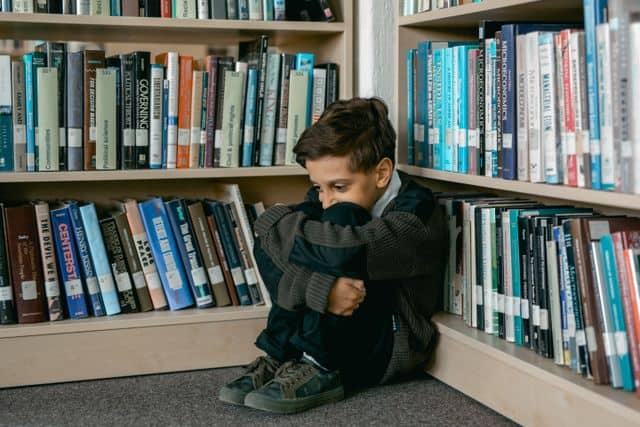
It’s pretty common for kids to struggle with getting good grades in school. As a parent, it is your duty to motivate them to do their best and embrace effective learning methods. If you are wondering how to go about this without any challenges, here are some ways to achieve the desired outcome.
- Communicate with your child
Good parent-child communication is instrumental for academic excellence. Perhaps, you have noticed a lack of motivation to study in your kids, causing them to underperform. The first step is to find out what is troubling them, and ensure they are comfortable sharing their problems with you. Understanding their learning challenges will help you find ways to improve their grades.
- Focus on the positives
Poor grades are not only bad for students but parents. Unfortunately, harsh criticism can worsen situations by forcing kids to lie, so say no to scolding or physical punishments over poor performance issues. Staying positive is advisable to resolve the issue amicably. Approaching your child with constructive criticism may allow them to open up on the actual cause of low grades. Moreover, positivity encourages them to contact you each time they face learning challenges.
- Review recent grades
Review your kids current grades to find out their problems. If your child performs well in subjects like science and history, improving these grades may not be vital now. Instead, prioritise their weaknesses. Set the minimum passing grade such as a C, and focus on improving one or two subjects at a time. Trying to solve too many at once can overwhelm your child. Balance their study and play time and ensure their excitement and engagement.
- Improve their homework habits
Start honing your child’s homework habits to boost their bad grades. Difficult subjects may require extra practice to master. You can help them tackle harder subjects during homework time when they are relaxed and their mind is fresh. It would be best to ensure your child’s learning space is devoid of distractions. When extra homework endeavours fail to pay off or you have no idea how to guide them through topics, consider hiring the services of an after-school tutor. Many struggling students need extra assistance to improve grades at a point in time, so avoid feeling bad or embarrassed about their condition.
- Embrace blended learning
An experienced tutor may incorporate blended learning strategies to help your child stay on top of their studies. This strategy plays a major role in the evolving educational landscape; uniting digital learning with in-person interactions will enhance your child’s learning experience. Parents and teachers can use digital toolboxes to monitor individual students’ performances and provide assistance when necessary. Blended learning aids a student’s flexibility and focus while encouraging interaction among students via chat rooms, forums, and virtual study groups. Other effective teaching techniques teachers can use to promote better understanding including stories and acronyms, so feel free to consider this.
- Create healthy reward system
A reward system can motivate kids to learn better to improve their grades. Consider developing an ongoing reward scheme for the school year. Set academic targets together, such as achieving more correct answers in the next spelling quiz, or topping the class in the next social studies report. It’s worth noting that monetary incentives are still valid. Alternatively, you can allow kids to suggest their desired rewards such as camping trips or go-kart racing. Experience-centred rewards may be a better motivator than monetary rewards, so keep this in mind.
- Find out if they have underlying learning difficulties
It helps to look at other potential issues that could be affecting your child’s grades. A series of bad grads or a dip may indicate symptoms of learning difficulties. Other potential issues are bullying, parental separation, sleep disorders, and illnesses. Seek help from experts if learning difficulties cause bad grades.
- Talk to their school teacher
If your child doesn’t perform well in school, you should contact their teacher. Schedule a parent-teacher conference in person or virtually, and ask for suggestions on how you can improve their grades. You may contact the school’ guidance counsellor if you think your child’s teacher is not supporting them enough to succeed. As a tip, track your conversation with the teacher so you can give the counsellor a full picture of the child’s major learning problems.
It’s pretty common for kids to have bad grades at some point. However, they don’t have to deal with this forever. You can take proactive steps to ensure that they overcome this hurdle and excel in their academics. Hopefully, these tips will help you achieve success.

Collaborative post